
Mount Meru is an ancient volcano that last erupted in 1910, though its most significant eruption occurred around 8,000 years ago, creating its distinct horseshoe-shaped crater. The eastern side of the mountain was blown away in a massive explosion, leaving a dramatic, steep inner wall and a caldera that stretches about 3.5 kilometers (2.2 miles) in diameter. Today, Meru’s summit features a jagged ridge with the peak, Socialist Peak, offering breathtaking panoramic views.
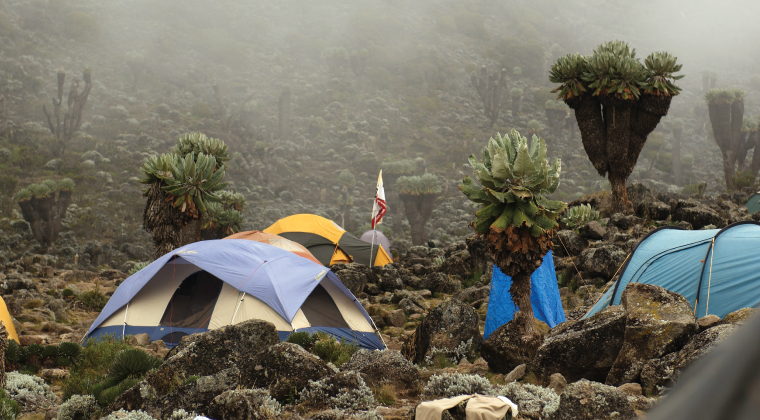
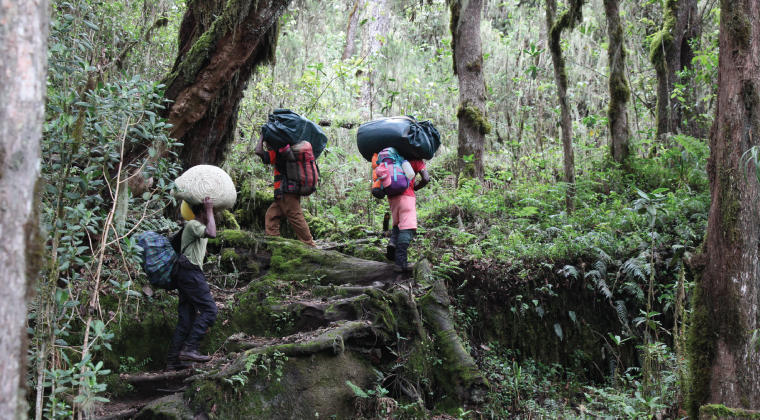
Mount Meru is known for its rich biodiversity, with different vegetation zones that change as you ascend:Lowland Forest (1,500 – 2,500m): Lush rainforest filled with fig trees, mahogany, and olive trees. This zone is home to diverse wildlife such as elephants, buffaloes, leopards, and colobus monkeys.Montane Forest (2,500 – 3,000m): A mix of thick woodlands and open glades, where giant heathers and mosses thrive.Moorland and Alpine Desert (3,000 – 4,566m): A rugged landscape with hardy plants like lobelias and everlasting flowers, adapted to the harsh conditions.Arusha National Park, which surrounds Mount Meru, is a haven for giraffes, warthogs, antelopes, and over 400 species of birds, including turacos and hornbills.
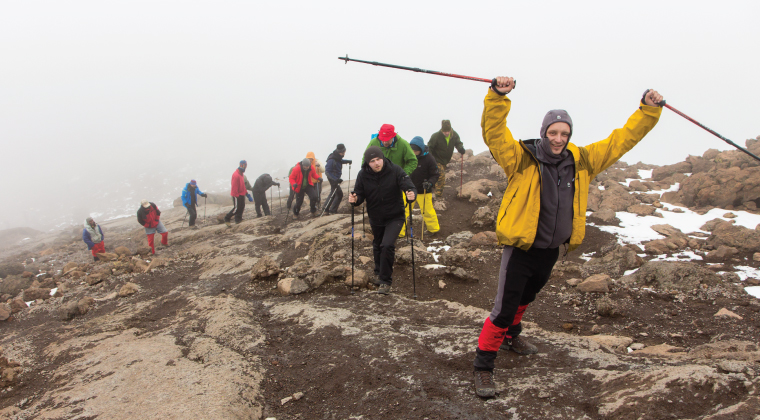
The Mount Meru trek is a challenging yet rewarding experience, typically taking 3 to 4 days to complete. The main route, known as the Momella Route, offers a scenic ascent with the following highlights:
Miriakamba Hut (2,514m): The first stop on the trek, where hikers may encounter wildlife along the trail.Saddle Hut (3,570m): A key resting point before the final ascent, with an optional hike to Little Meru (3,820m) for acclimatization.
Summit (4,566m): Reached in the early morning hours via a steep and rocky trail. From the summit, trekkers are rewarded with spectacular views of Mount Kilimanjaro, the Great Rift Valley, and the vast Tanzanian plains.Unlike Kilimanjaro, hikers must be accompanied by an armed ranger due to the presence of wild animals along the lower slopes.
The best time to climb Mount Meru is during the dry seasons:
June to October (cool and dry with clear skies).
December to February (warmer with excellent visibility).
Mount Meru is a hidden gem in Tanzania, offering a thrilling trek through pristine wilderness with a stunning reward at the summit. Whether as a standalone adventure or a warm-up for Kilimanjaro, Mount Meru is a must-visit destination for nature lovers, hikers, and adventure seekers.
Have questions about our safaris, treks, or tailor-made travel experiences? Need assistance in crafting your ideal itinerary? We’re always happy to connect with you!
At Go Nature Safaris, we are here to support you at every stage of your journey—from your initial inquiry to the moment you reach your final destination.
Have questions or ready to plan your dream adventure? Fill out the form below and our team will get back to you shortly.